The pelvic floor chair.. what is it all about?
01 Mar 2026
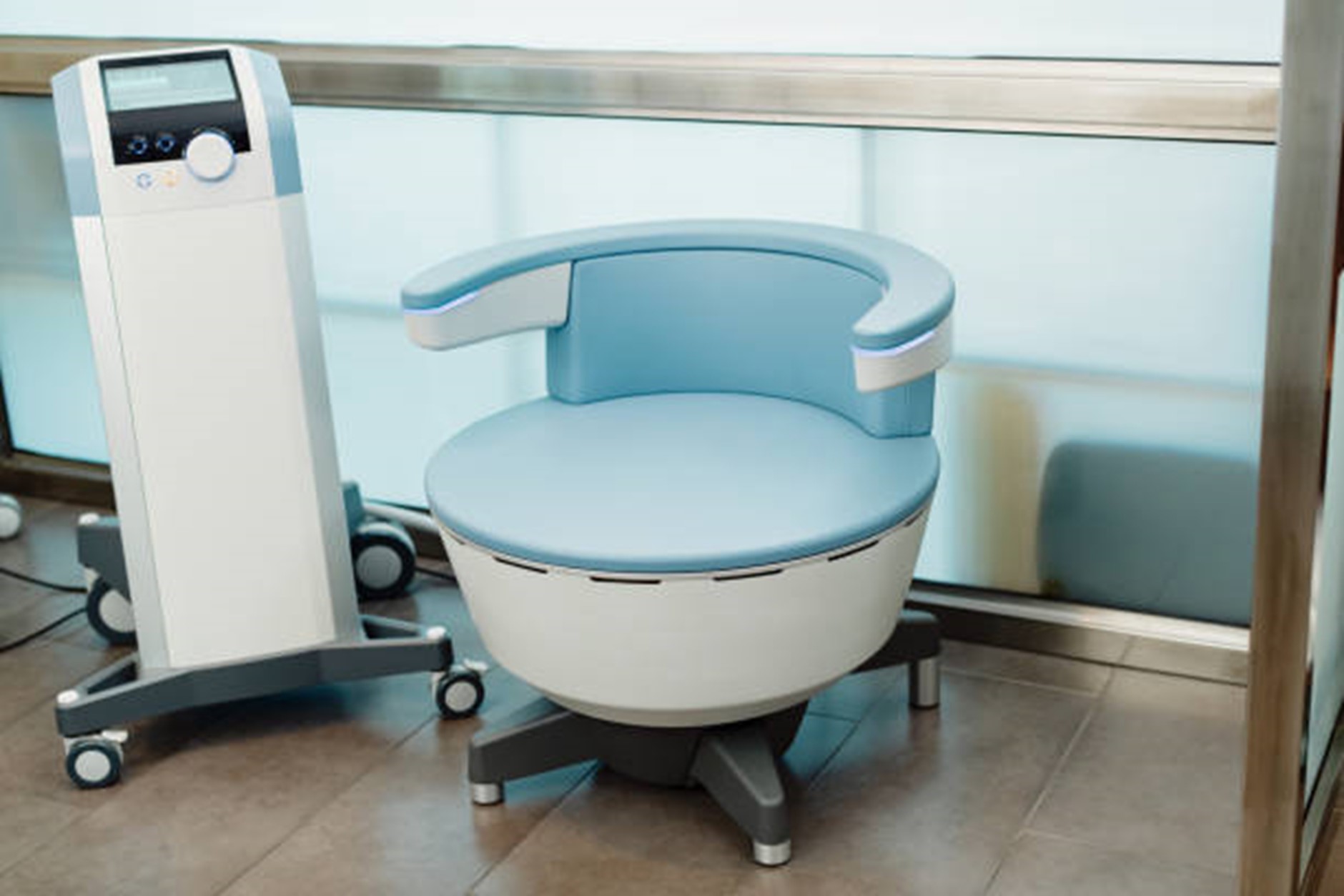
In the past year or two, we have received more and more questions about the pelvic floor chair. What is it? Does it work? Is this a good option for women and men with urinary incontinence?
Physiotherapists have long-utilised electrophysical agents to facilitate neuromuscular system function. Back in the day, physios used infra-red light therapy on swollen and sore perineums postpartum; later, therapeutic ultrasound opened up a new and low-cost healing modality for this same issue, with immediate and effective outcomes. Transcutaneous electrical stimulation (TENS) has been used for decades in the management of pain and bladder urgency; more recently shock-wave therapy has emerged as a common treatment in musculoskeletal conditions.
Like you, we wanted to know if the pelvic floor chair, which uses electromagnetic therapy and often claims to cure urinary incontinence, is a worthy treatment (and a worthwhile investment) in pelvic health. We did a deep dive into the current research. Here’s what we found…
A recent systematic review and meta-analysis published in 2025 in Neurourology and Urodynamics journal explores whether HIFEM therapy (high-intensity focused electromagnetic therapy) offers significant benefits to women suffering with urinary incontinence.
What Is HIFEM Therapy?
HIFEM therapy uses a powerful electromagnetic field to stimulate the pelvic floor muscles without the need for probes, electrodes, or active patient participation. By inducing rapid, involuntary “supramaximal” muscle contractions, the therapy aims to strengthen and retrain the pelvic floor.
What Did the Researchers Study?
The authors reviewed seven clinical studies involving women with various forms of urinary incontinence, including stress, urge, and mixed. These studies compared HIFEM or magnetic stimulation treatments with sham (ie fake) treatments, pelvic floor muscle training, or electrical stimulation.
Key Findings:
- Fewer Incontinence Episodes
Women receiving HIFEM experienced a significant reduction in urine leakage episodes compared with control groups. On average, participants had several fewer leakage events per week, particularly those with stress or urge incontinence.
- Symptom Scores Improved
HIFEM led to a meaningful improvement in symptom severity, measured by the widely used ICIQ-UI Short Form questionnaire. This suggests women felt better control and less disruption from their symptoms after treatment, however no physical assessment was conducted such as the use of ultrasound or vaginal exam, which is our gold-standard assessment in pelvic physiotherapy for pelvic floor muscle function.
- Quality of Life Benefits
While overall quality-of-life improvements were mixed when all studies were combined, subgroup analyses showed clear benefits for women with stress and urge incontinence. Many participants reported feeling more confident and less restricted in daily activities.
- Muscle Activity Changes Were Less Clear
Objective measures of pelvic floor muscle activity (using surface electromyography) did not consistently show significant changes. This suggests that symptom improvement may not always align with measurable muscle activity—or that current measurement tools may not fully capture functional improvements.
- Appears Safe
Across studies, no serious adverse effects were reported. HIFEM was generally described as painless, non-invasive, and well tolerated.
Important Limitations to Keep in Mind
Despite encouraging results, the authors urge caution:
- The number of high-quality studies is still limited
- Treatment protocols varied widely
- Some studies had small sample sizes or were poorly conducted
- Long-term outcomes are unknown
Because of these limitations, HIFEM cannot yet be considered a standard treatment for urinary incontinence.
In Summary:
Current evidence suggests that HIFEM therapy may be a safe and effective non-invasive option for improving urinary incontinence symptoms and quality of life in women—especially those with stress or urge incontinence. However, more robust, well-designed clinical trials are needed before it can be widely recommended in routine care.
HIFEM treatment does not replace an individual pelvic health assessment, conducted by a pelvic health physiotherapist. For now, pelvic floor muscle training remains the first-line treatment. Our strong recommendation if you are considering utilising the pelvic floor chair, is to have a comprehensive pelvic health physiotherapy assessment first.
References:
Leonardo, K., Rahardjo, H. E., & Afriansyah, A. (2025). Noninvasive High-Intensity Focused Electromagnetic Therapy in Women With Urinary Incontinence: A Systematic Review and Meta-Analysis. Neurourology and urodynamics, 44(2), 424–433. https://doi.org/10.1002/nau.25658